The Loch Ness Monster: 90 years of evidence, checked
Ninety years after the first famous photograph, there is still no confirmed evidence of a large, unknown animal in Loch Ness. The most famous image was staged, and a 2018-2019 DNA survey found no trace of a prehistoric reptile. What the same researchers could not rule out was something more ordinary: a very large eel.
Is the Loch Ness Monster real?
No confirmed evidence supports a large, unknown animal living in Loch Ness, a 23-mile-long freshwater loch in the Scottish Highlands that reaches 754 feet deep. The most famous photograph of the creature was staged. A DNA survey of the loch's water found no trace of a large reptile. What remains, after ninety years of searching, is a legend built on a handful of dramatic sightings, one confirmed hoax, and one real scientific question that stays open: whether Loch Ness holds unusually large eels.
The 1933 sighting that started the legend
The modern legend began on May 2, 1933, when the Inverness Courier published an account from a couple who described a creature with "a body resembling that of a whale" churning the water "like a simmering cauldron." Three months later, George Spicer reported watching a creature cross the road near the loch, calling it "the nearest approach to a dragon or prehistoric animal" he had ever seen. Local correspondent Alex Campbell, who wrote up the first sighting, went on to report 18 of his own.
The Surgeon's Photograph, and its 1994 unmasking
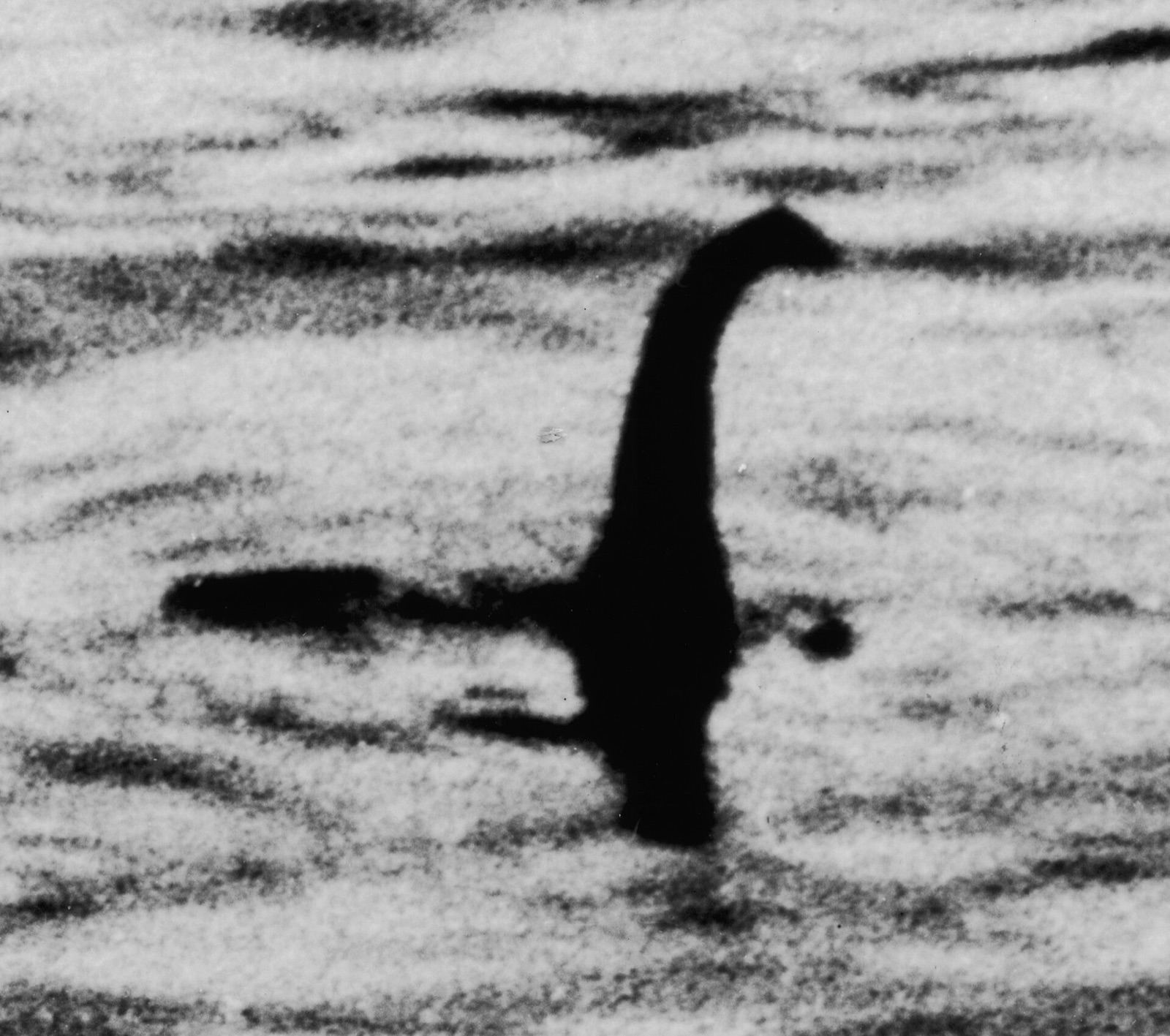
On April 21, 1934, the Daily Mail published the "Surgeon's Photograph," credited to physician Robert Kenneth Wilson and treated for six decades as the best evidence for the monster. In 1994, after researcher Alastair Boyd tracked him down, Christian Spurling admitted, at age 93, that the image showed a toy submarine fitted with a head and neck built from plastic wood. He said the plot was arranged by his stepfather, Marmaduke Wetherell, to embarrass the newspaper that had mocked an earlier, failed expedition of his.
Ninety years of sightings
The Official Loch Ness Monster Sightings Register, kept by registrar Paige Daley, listed 1,180 recorded sightings in September 2026. The tally has grown for decades, but a large count of reported sightings is not the same as confirmed evidence: most describe a wake, a hump, or a shadow, glimpsed briefly and never captured on reliable film or confirmed by a second witness.
The 2018 DNA survey
Starting in April 2018, an international team led by geneticist Neil Gemmell of the University of Otago collected roughly 250 water samples from the surface and depths of Loch Ness. Each sample was sequenced and compared against global genetic databases to catalog every species leaving DNA in the water. Announced on September 5, 2019, the results found no trace of a plesiosaur or any other large reptile matching the classic description of the monster.
The giant eel idea
What the survey did find was eels — a great many of them. "Every single sample and site that we went to had eels, and the sheer volume of it was a bit of a surprise," Gemmell said. He would not rule out an oversized eel explaining sightings: asked about eels reaching four meters, he said it "seems not impossible that something could grow to such unusual size," while cautioning that the DNA could not distinguish one giant eel from many ordinary ones. His own summary was blunt: "a lack of evidence is not necessarily evidence of absence."
The 2023 search, and what turned up
In August 2023, the Loch Ness Centre and the volunteer group Loch Ness Exploration ran the Quest, described as the largest surface search of the loch since the 1970s. Hundreds of volunteers watched the banks over the weekend of August 26 and 27, while organizer Alan McKenna's hydrophones picked up four "mysterious and previously unheard loud noises" from the depths during a test run beforehand.
What is still debated
Not every searcher agrees on an explanation. Long-time loch-watcher Steve Feltham concluded in 2015 that sightings likely come from a large fish, possibly a Wels catfish that can grow past 13 feet. Photographs released around the 2023 Quest, showing what their photographer called an eel-like shape, were called "a moving creature and totally unexplained" by Feltham himself — evidence that even dedicated observers read the same loch differently.
Questions people ask
Has anyone reported seeing Nessie recently?
The Official Loch Ness Monster Sightings Register listed 1,180 recorded sightings as of September 2026. Most of these describe only a wake, a hump, or a shadow, glimpsed briefly and never captured on reliable film or confirmed by a second witness.
Verdict
Real or Legend stamps the Loch Ness Monster disputed, not debunked. The evidence for a large, unidentified animal is thin: the best-known photograph is a proven fake, and the most thorough scientific survey found no reptile of any kind. But that same survey did not rule out a large eel, and researchers and longtime observers still read the unexplained noises and shapes differently. The mystery has shrunk considerably. It has not been closed.
Related videos
Mr & Mrs Gao (老高與小茉) covered this topic. These are links to their original YouTube videos. Unofficial; the views in them are theirs.
Sources
- National Geographic: Is there any truth behind the legend of the Loch Ness Monster?
- National Geographic, 2018: Scientists Are Hunting for DNA in Loch Ness—Get the Facts
- BBC Science Focus Magazine, 2019-09: Loch Ness Monster DNA study reveals 'plausible' explanation for sightings
- Time: Before You Storm Loch Ness, Get to Know the History
- The Loch Ness Centre, 2023: Findings revealed from The Quest Weekend
- Euronews, 2019-09-05: Monster blow for Nessie fans as scientists find no DNA evidence
- PBS NOVA: The Beast of Loch Ness: Birth of a Legend
- Official Loch Ness Monster Sightings Register: Loch Ness Monster Sightings Register